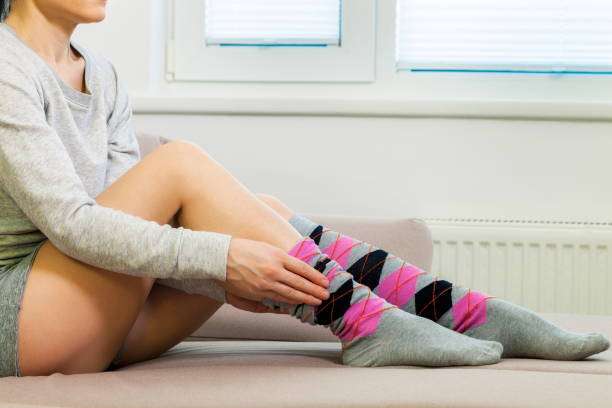
compression socks incorrectly for women: Are you really wearing them right?
Compression socks for women are becoming increasingly popular in modern life, serving not only as essential tools for office workers but also as an ideal choice for pregnant women, long-distance travelers, sports enthusiasts, and those recovering from surgery.
Their core value lies in improving leg blood circulation, relieving fatigue, reducing swelling, and preventing varicose veins through gradient pressure.
However, many people mistakenly believe that “just putting them on is enough.” In fact, the way compression socks for women are worn directly determines their effectiveness and safety.
Wearing them incorrectly can not only negate their compression effect but also potentially cause harm to the body. Below, we’ll discuss in detail the potential problems caused by incorrect wearing of compression socks for women and how to avoid them.
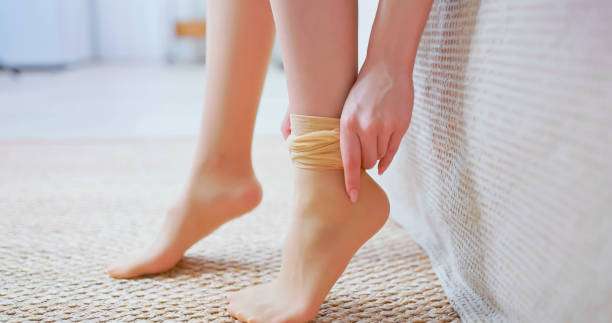
Wearing something too tight: the most common mistake
Many people mistakenly believe that the tighter the compression socks, the more effective they are, especially those using compression socks for women for the first time.
However, this practice can lead to the following problems:
- Obstructed blood circulation: Excessive pressure can actually restrict blood return, potentially causing numbness, tingling, or even increased venous pressure in the legs.
- Wearing compression socks that are too tight can easily leave marks on the ankles and calves and, in severe cases, can cause skin damage, redness, and swelling.
- Decreased comfort: Wearing uncomfortable compression socks for women can make you feel stuffy and tight, and over time you may reduce the frequency of wearing them, thus failing to achieve the intended health benefits.
I once bought a pair of “super stretchy” compression socks for women, but my calves went numb after wearing them for less than half an hour. I later realized I’d bought the wrong compression level.
Remember, choosing the right compression level is more important than pursuing the tightest fit.
Wearing it too loosely: the effect cannot be seen.
Another common mistake is wearing compression socks that are too loose for women, especially for first-time users and busy working professionals. The main problems include:
- The compression effect is lost. Compression socks for women are designed for gradient compression, with the greatest pressure at the ankle and gradually decreasing towards the calf. If the socks are too loose and the legs don’t receive enough support, the compression effect will be completely lost.
- Compression socks for women that are too loose are prone to slipping or curling. They may slip down during exercise or long walks or even curl into a “rope-like” shape, which not only affects appearance but may also pose a safety hazard.
- Compression socks for women are intended to reduce leg fatigue and prevent swelling, but if they are worn too loosely, it’s as if you’re not wearing any at all. When standing or sitting for a long time, your legs will still feel heavy and sore.
Incorrect wearing order: High risk of injury
Many people overlook a detail—the order in which they wear compression stockings. Wearing them improperly can easily cause compression stockings to deform or have a shorter lifespan and may even affect blood circulation.
Correct method:
- Sit down or half-squat; first, turn up the top of the sock to the heel.
- Tuck your toes into the sock and pull the bottom of the sock flat.
- Slowly pull your calves up, ensuring even pressure on your ankles, calves, and knees.
- Adjust to be wrinkle-free
Incorrect method:
Slipping it directly under the knee or pulling it all the way down can easily lead to:
- Sock cuffs curled
- Pressure concentrated in a certain area
- Blood return to the ankle is obstructed
Tip: Wearing thin gloves can help hold the sock fibers, reducing pulling and making compression socks for women easier to wear.

Wearing time incorrect: too long or too short is problematic.
Many people ask, how long should women wear compression socks throughout the day? The answer varies from person to person, but wearing them for the wrong time can also cause problems.
Wearing for too long
- 10–12 hours may lead to excessive local pressure.
- Affects skin respiration
- Increased leg discomfort
Wearing time too short
- The effects cannot be demonstrated
- It has a limited effect on relieving leg fatigue caused by prolonged sitting or standing.
General recommendations: Wear for 6–8 hours daily, and up to 10 hours during exercise or prolonged walking. Wear at night as advised by your doctor, but be sure to choose dedicated night compression stockings.
Incorrect pressure level selection
Compression socks for women come in different pressure ratings (unit: mmHg), commonly as follows:
- 15–20 mmHg: Mild pressure, suitable for daily prevention of edema.
- 20–30 mmHg: Moderate pressure, suitable for those who sit for long periods in the office or have mild varicose veins.
- 30–40 mmHg: High pressure, suitable for doctor’s advice, postoperative care, or severe varicose veins.
Incorrect choices may result in:
- Low stress: Inability to relieve fatigue
- Excessive pressure: obstructed blood return, resulting in noticeable pressure marks on the skin.
Tip: First-time users of compression socks for women are advised to start with a low-pressure version and gradually increase the pressure level as they get used to it.
Inappropriate shoe and sock matching
Wearing compression socks for women can also cause problems if you pair them with inappropriate shoes:
- Tight shoes and high-pressure compression socks for women → restrict blood flow to the feet
- Loose-fitting shoes + low-pressure compression socks for women → Compression effect fails.
Recommendation: Choose shoes that are the right size, slightly loose, and breathable to avoid compressing your toes and instep.
FAQ:
Q1: Will there be any problems if compression socks for women are worn inside out?
Yes. If the pressure gradient between the sock cuff and the ankle is reversed, the compression effect is completely lost, and wearing them for extended periods may lead to abnormal blood flow in the ankle.
Q2: What should I do if I experience pain when wearing compression socks for women?
It may be due to excessive pressure or an incorrect wearing method. It is recommended to check the pressure level and wearing order and consult a doctor.
Q3: Can women wear compression socks during exercise?
Yes, but it is recommended to choose a sports-specific style or a medium-compression style to avoid discomfort caused by high-compression styles.
Q4: Can pregnant women wear compression socks for women?
Yes, but you must choose compression socks specifically designed for pregnant women, and the pressure level and length must meet the needs of pregnancy.
Q5: How often should compression socks for women be replaced?
It depends on how often they are worn and how they are washed. They usually need to be replaced every 3–6 months to maintain effective pressure.

Summarize:
Wearing the right compression socks for women is essential to truly relieve leg fatigue and prevent swelling and varicose veins. Wearing them incorrectly not only wastes your investment but can also negatively impact your health.
If you want to wear compression socks for women long-term to keep your legs comfortable, you can refer to the following suggestions:
- Select the appropriate pressure level
- Master the correct way to wear
- Arrange your wearing time reasonably
- Matching appropriate shoes and socks
- Thorough cleaning and maintenance
Looking for high-quality, durable, and comfortable compression socks for women? Consider choosing products from professional brands that clearly label pressure levels, materials, and wearing instructions, ensuring comfort and health every day starts with your feet.