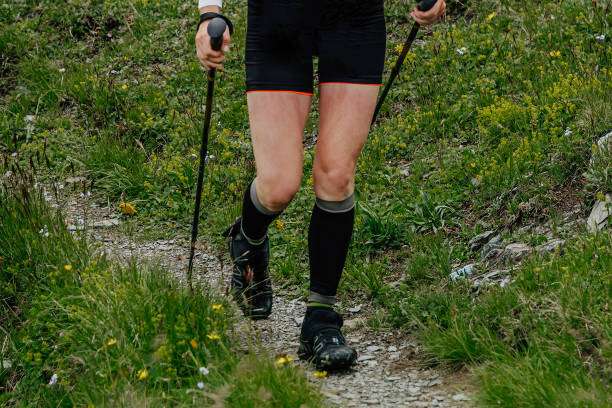
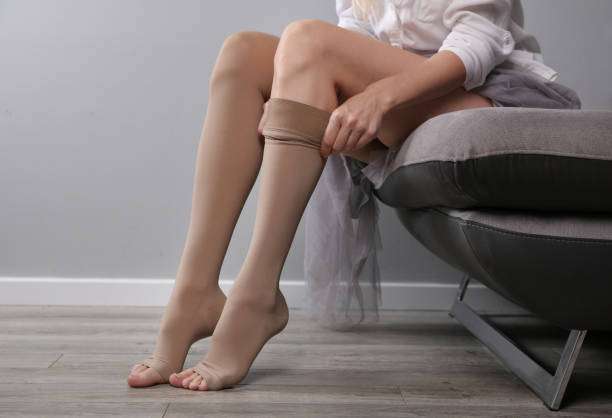
In modern life, more and more women are choosing to wear compression socks for women to relieve leg fatigue, swelling, and venous problems. Whether you’re an office worker, a pregnant woman, or a long-distance traveler, compression socks for women can be an essential tool for leg care.
However, many people face the same questions after purchasing them: When to wear them? How long to wear them each day? Do they need to be used continuously?
If the method is incorrect, they may not achieve the desired effect and may also cause discomfort. This article will detail recommendations on the usage time and frequency of compression socks for women and combine some personal experience to provide you with scientific guidance.

Compression socks for women: Why time and frequency matter.
Before we look at the wearing recommendations, let’s review how compression socks for women work:
Gradient pressure design
Compression socks for women typically use a gradient of pressure that decreases from the ankle to the calf to help blood flow back to the heart from the lower limbs and reduce congestion.
Compression
Stockings are not a tool for “instantly relieving soreness” but rather improve blood circulation and reduce swelling in the legs through continuous wear.
Overuse
or improper wearing can cause discomfort such as pressure, numbness, or poor blood flow to the legs. Therefore, it is crucial to properly schedule the wearing time and frequency.
For the first two days after wearing compression socks for women, you may experience a slight tightness in your legs. This is a normal reaction as blood flow is assisted, and you will get used to it after a few days.
Recommended daily usage time
1. Office workers or those who sit for long periods of time
Wearing time: Wear it after getting up in the morning, and take it off after getting off work in the afternoon.
Reason: Sitting for long periods can cause blood to stagnate in the lower limbs; wearing compression stockings can continuously improve circulation.
Tip: Before putting on socks, move your legs around a bit, such as by standing on your tiptoes or bending your knees. This will help the socks fit better and make them more comfortable.
2. Workers who stand for long periods of time
Wearing time: Wear it throughout your workday, and you can choose to take it off when you get home.
Reason: Prolonged standing increases venous pressure; compression stockings can relieve leg swelling and soreness.
Note: If you experience numbness or tingling in your legs, check your size or pressure rating.
3. People who exercise and work out
Wearing time: Wear before and after exercise; adjust according to exercise intensity.
Reason: Wearing it before exercise can increase calf support, and wearing it after exercise helps muscle recovery and reduces lactic acid buildup.
Recommendation: The optimal recovery period is 30–60 minutes after exercise.
4. Long-distance travelers
Wearing time: Wear throughout the entire flight or long-distance car journey.
Reason: Sitting for long periods can easily lead to lower limb edema or blood clots; compression socks for women can reduce this risk.
Friendly reminder: Moderate activity during the trip, such as tiptoeing and leg stretches, will enhance the experience.
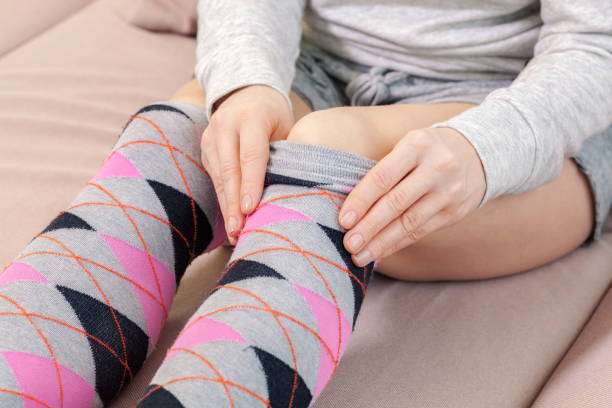
Frequency recommendation: Continuous or intermittent wear
Daily use: It is recommended to wear it every day; continuous use will yield the best results.
Short-term wear: If leg fatigue is only occasional, wear as needed.
Not recommended: Wearing the garment continuously overnight (unless advised by a doctor) to avoid obstructing blood flow.
I wear compression socks for women every day at the office, but not on weekends. I’ve noticed a significant reduction in leg swelling, and I find it easier to relax when I sleep at night.
Wearing recommendations for different pressure levels
Compression socks for women are generally classified into several pressure levels:
- Mild compression (10–15 mmHg)
- Suitable for daily prevention of fatigue and mild edema.
- Wearable all day
- Moderate compression (15–20 mmHg)
- Suitable for those who sit or stand for long periods and those with mild varicose veins.
- It is recommended to wear it on weekdays for 6–8 hours each day.
- Medical compression (20–30 mmHg)
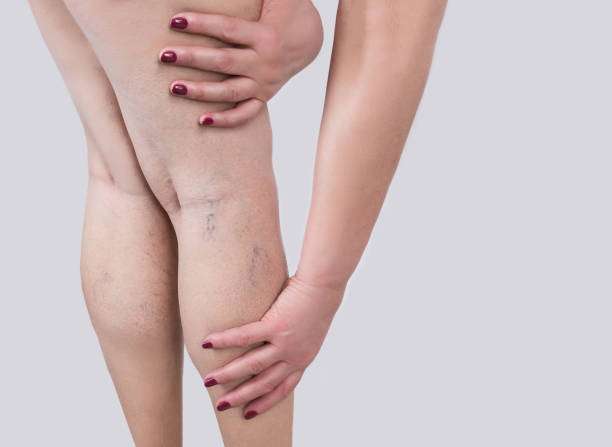
- Suitable for varicose veins, postoperative recovery, and lower limb edema during pregnancy.
- It is recommended to follow your doctor’s advice and not use it for too long.
Tip: For those trying moderate or medical compression stockings for the first time, start by wearing them for 2–3 hours a day and gradually increase the wearing time as you get used to them.
Wearing tips and precautions
Correct way to wear
- Starting from the toes, slowly pull up to the calves or thighs.
- Avoid twisting or piling up; maintain gradient pressure.
Size selection
- Choose based on ankle and calf circumference and height.
- Too small or too large will affect the effect.
Material selection
- Choose a breathable style for summer.
- For winter, choose a thicker, warmer version.
Cleaning and maintenance
- Hand washing or machine washing with a laundry bag is recommended.
- Avoid high-temperature drying
FAQ:
Q1: Can
Women wear compression socks to bed? A: Generally not recommended unless specifically advised by a doctor; when sleeping, the legs should be naturally flat, and wearing them for a long time may affect blood flow.
Q2: How long should I wear compression socks for women every day?
A: It is generally recommended to wear them during work or activities for 6–8 hours a day. You can extend the time if you sit or stand for long periods of time.
Q3: Do women have to wear compression socks every day?
A: It’s not mandatory, but wearing them every day will have the best cumulative effect; wearing them occasionally can also provide some relief.
Q4: How long does it take to see results?
A: People with mild swelling or leg pain usually see significant improvement after wearing it continuously for 1-2 weeks; for conditions such as varicose veins, long-term continuous use and following medical advice are required.
Q5: Can compression socks for women be used together with a leg massager?
A: Absolutely. Wear compression socks during the day to manage circulation, and use the massager at night to relieve muscle tension; the combination will be even more effective.
Summarize
Proper use of compression socks for women can not only relieve leg fatigue but also prevent swelling and venous problems. The core principle of wearing them correctly is
- Wear it primarily during the day and avoid prolonged use at night.
- Continuous frequency and daily wear will enhance the effect.
- Ensure the pressure level and size are correct to avoid discomfort.
I wear compression socks for women to work the whole time, and I don’t wear them on weekends. My leg soreness has decreased significantly, my ankle swelling has almost disappeared, and my sleep quality has also improved.
If you also want to improve leg discomfort and make your legs feel lighter, I recommend starting with
a pair of compression socks for women that fit your size and pressure level. Click the link below to see our curated selection of compression socks for women and find the perfect pair for you to make your daily walks and work easier and more comfortable.