
In recent years, compression socks for women have gradually become a popular item among office workers, frequent travelers, and women who enjoy sports. They not only help improve blood circulation in the legs and relieve fatigue from prolonged sitting or standing but also help prevent edema and varicose veins to some extent. However, one of the biggest concerns for many women when choosing compression socks for women is, will wearing them affect the comfort of the shoes?
In this article, I will analyze in detail the relationship between compression socks for women and shoe comfort from multiple perspectives, including materials, compression levels, shoe shape selection, and wearing techniques, combined with personal experience and professional advice.

Compression socks for women: material and comfort
Compression socks for women are typically made of elastic fibers, nylon, or cotton blends. Good materials not only ensure compression but also affect the comfort of wearing the shoes.
Elastic fibers provide some support, keeping the legs feeling light, but if the fibers are too tight, they may cause a feeling of pressure at the ankles or insteps.
Cotton blend: Soft to the touch, absorbent, and breathable, but slightly less elastic, and the compression effect may not be as good as pure elastic fiber socks.
Nylon material: durable and fits the foot shape, but it is easy to slip, so you need to choose a style with elastic cuffs to prevent the socks from slipping down.
Once, on a business trip, I wore brand-new high-elasticity compression socks for women with pointed-toe heels. Initially, my insteps felt slightly tight, but after walking all day, my legs didn’t feel fatigued. Later, I switched to flat shoes, and the comfort of the compression socks improved significantly. Therefore, the choice of material has a huge impact on comfort.
The impact of compression level on shoe-wearing experience
Compression socks for women are classified into three types according to pressure level: mild (15-20 mmHg), moderate (20-30 mmHg), and severe (30-40 mmHg).
Light compression socks: Suitable for everyday wear, highly adaptable to different shoes, and have almost no impact on comfort.
Medium compression socks: Suitable for prolonged standing or light exercise. They may feel slightly tight when wearing shoes but fit most flat shoes or athletic shoes.
High compression stockings: mainly used for medical needs, such as the prevention of varicose veins or leg thrombosis. When wearing them, you may need to choose shoes with a wide toe box or good elasticity; otherwise, you may feel a squeezing sensation.
My colleague usually suffers from severe leg swelling. She chooses to wear medium compression socks with sneakers, which is not only comfortable but also reduces swelling after work. However, when she tries high heels, she clearly feels pressure on the instep and finds walking difficult.
Therefore, choosing the right compression level is crucial, as it directly affects your comfort when wearing shoes.
The Importance of Shoe Selection
The fit of compression socks for women varies significantly depending on the shoe style:
Flat shoes or sneakers
typically have ample toe box space and soft uppers. Compression socks for women hardly affect comfort and can even enhance the feeling of lightness when walking.
Pointed-toe shoes or high
Heels often have limited space in the forefoot, and high heels have a narrower toe box. Compression socks for women can easily make the feet feel tight. If you must wear these types of shoes, you can choose thin compression socks or high-elasticity, low-compression socks.
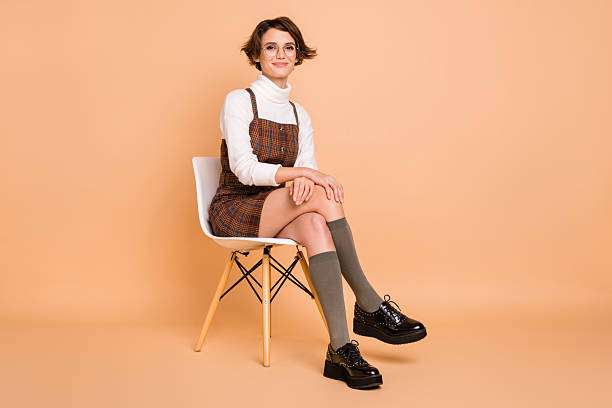
boots
For both tall and short boots, compression socks for women generally do not affect wearing comfort, but attention should be paid to the thickness of the sock cuff to avoid discomfort caused by friction with the boot shaft.
When buying new shoes, I first try them on with compression socks for women to check if there is any tightness in the forefoot and instep in order to avoid foot pain or blisters during the day.
Wearing techniques to improve comfort
Even comfortable compression socks for women require attention to how they are worn:
Pull your socks out properly: avoid wrinkles piling up at your ankles or calves to prevent friction.
Wearing gradually: First, pull the socks up to your toes, then slowly pull them up to your calves or thighs, ensuring even compression.
Use suitable insoles: When wearing high heels, choose soft insoles to reduce the pressure from socks and shoes.
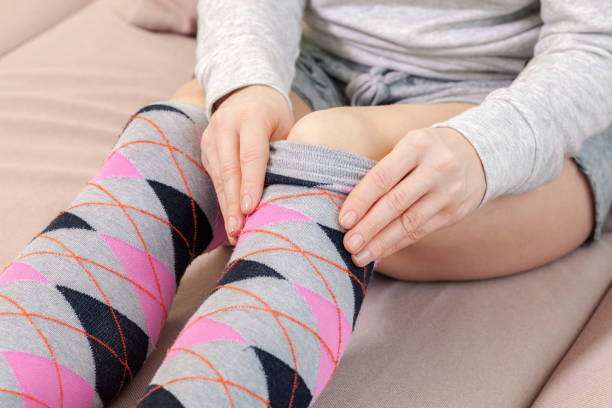
Wearing compression socks for women, if you pull them straight up to your thigh, the cuffs tend to roll up, and there may be a feeling of tightness when walking. Slowly pulling them down further improves comfort.
Compression socks for women: pairing with shoes for different seasons
Seasonal changes can also affect the comfort of wearing shoes:
Spring and Autumn: The temperature is moderate, and most compression socks for women are of moderate thickness, making them suitable for pairing with various shoe styles.
Summer: In hot weather, thick compression socks for women may make your feet feel stuffy. You can choose breathable thin or mesh designs. When wearing sandals, try to choose low-compression thin ones.
Winter: Thick compression socks for women paired with boots can increase warmth while maintaining blood circulation in the legs, providing a high level of comfort.
In the summer, I wear thin compression socks for women with leather shoes, and my feet and insteps don’t feel stuffy or hot all day.
FAQ:
Q1: Will
Do compression socks for women feel tight on the feet? A: It depends on the compression level and the shoe style. Light or thin medium compression socks usually don’t feel noticeably tight, while high compression socks may feel tight when worn with pointed shoes.
Will
Do wearing compression socks for women increase foot sweat? A: Material and breathability are key. Choosing cotton blends or breathable mesh designs can reduce stuffiness.
Q3: Are compression socks for women suitable for all shoes?
A: Most flats, sneakers, and boots are suitable, but for pointed-toe heels, choose thin or low-compression styles to ensure comfort.
Women wear compression socks all day?
A: Generally speaking, light-to-moderate compression socks are suitable for all-day wear, but high compression socks are recommended to be worn only as directed by a doctor or for special needs.
Summarize
In general, compression socks for women do not significantly affect shoe comfort, as long as the right material, compression level, and shoe shape are chosen, and the correct wearing method is followed. Suitable compression socks for women not only do not hinder comfort but can also reduce leg fatigue, prevent swelling, and make daily walking and standing a lighter experience.
If you also want to improve blood circulation in your legs and relieve fatigue from sitting for long periods without compromising shoe comfort, consider choosing a high-quality compression socks for women. Selecting the right material and compression level will make your legs feel light and comfortable every day!
s