Compression socks for women are increasingly popular among women as an important tool for improving lower limb blood circulation, relieving leg fatigue, and preventing varicose veins.
They are especially essential for those who stand for long periods, sit at a desk for extended periods, or frequently travel by plane. However, in actual use, many women report experiencing varying degrees of pain, stinging, or discomfort when wearing compression socks for women.
So, what exactly causes pain when wearing compression socks for women? Which of these are normal, and which should raise concerns? This article will provide a comprehensive analysis from the perspectives of wearing principles, common causes, prevention, and adjustment techniques.
How compression socks for women work
To understand the causes of pain, it’s essential to first understand the basic principles of compression socks for women:
- Staged pressure design
- The pressure is greatest at the ankle and gradually decreases upwards.
- Promotes blood return from the lower limbs to the heart and reduces blood pooling.
- Supporting calf muscles
- Relieve muscle vibration and fatigue
- Improve comfort after prolonged standing or exercise
- Improve venous function
- Preventing varicose veins
- Reduce nighttime leg swelling
However, while this structural design provides support, it can also lead to excessive pressure or localized discomfort. Pain is especially likely to occur when worn improperly or in the wrong size.
Common causes of pain when women wear compression stockings
The size is not right
Sizes that are too small or too tight are one of the most common causes of pain in compression socks for women. Symptoms include:
- Obvious marks on ankles or calves
- Stinging sensation when wearing at night or for extended periods
- Numbness in the instep or knee
I once bought a pair of compression socks for women that ran small. After wearing them for just a few minutes, my ankles started to ache, and my whole leg felt tight. After exchanging them for the right size, this problem completely disappeared.
Inappropriate pressure level selection
Compression socks for women typically come in low, medium, and high pressure levels. If the pressure is too high:
- Obstructed blood return from the lower limbs actually worsens the discomfort.
- Wearing it for extended periods may cause tingling or numbness.
Recommendation: For everyday wear, it is recommended to choose a low compression of 10–20 mmHg. For recovery from exercise or flight, a medium compression can be chosen. However, compression socks are usually only used under the guidance of a doctor.
Incorrect wearing method
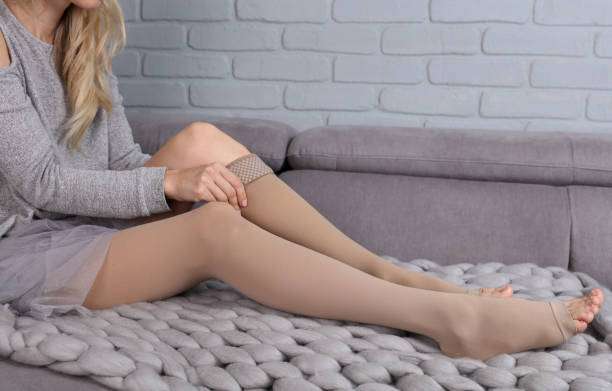
Compression stockings must be worn starting from the ankle, gradually stretching up to the calf or thigh. Improper wearing method:
- The rolled-up cuffs of socks create localized high pressure.
- Excessive compression of the calf or knee area
This can actually hinder blood circulation.
Tip: First, turn the socks up to your ankles, then slip them over your toes and slowly roll them up to avoid pulling too hard.
Wearing for extended periods
Compression socks for women can relieve daytime fatigue, but wearing them for extended periods can also cause pain.
- Wearing these clothes while sleeping at night may cause localized pressure.
- Especially for the ankles, insteps, and knees.
Recommendation: It is generally not recommended for women to wear compression socks all night while sleeping unless specifically instructed by a doctor.
Sensitive skin or muscles
Wearing compression stockings can make you feel more pain when you have muscle fatigue or venous inflammation.
Wearing these items can worsen discomfort if you have sensitive skin, are prone to allergies, or are exposed to damp conditions.
The material is not suitable
Some compression socks for women are made of stiff material and have poor breathability.
- Wearing it at night or after exercise will increase the feeling of stuffiness.
- It affects comfort and can cause stinging or itching.
Methods to relieve and prevent pain
To address the above causes of pain, the following measures can be taken:
Choose the right size
- Measure ankle and calf circumference and leg length
- Choose the appropriate size according to the size chart.
Proper sizing is essential to fully utilize the functions of compression socks for women.
Matching stress levels to requirements
- Choose low-pressure compression socks for women for daily activities
- Medium pressure is recommended for prolonged standing or exercise recovery.
- For medical purposes or varicose veins, please consult a doctor.
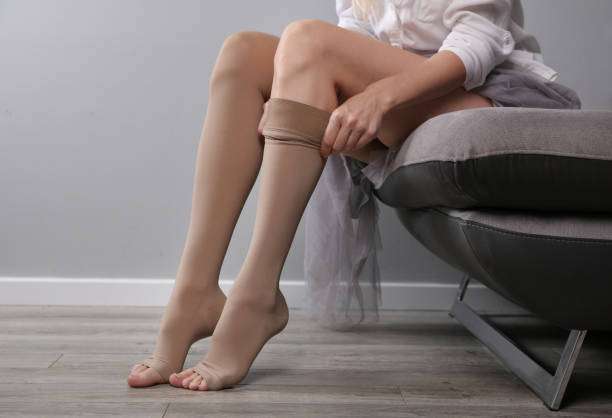
Proper Dressing Method
- Start stretching from the toes.
- Avoid rolled-up or wrinkled sock cuffs
- Sock-wearing aids can make it easier.
Control the wearing time
- Wear it for 4–8 hours during the day.
- No need to wear it all night
- Users who are using it for extended periods can take a 10-15 minute break.
Pay attention to materials and breathability
- Choose breathable and soft fabrics.
- Thin compression socks for women are available for summer.
- For winter, you can choose a thicker, warmer version, but make sure the pressure is moderate.
Daily Leg Care
- Elevate your legs for 10–15 minutes before bed.
- Massage your calves appropriately
- Soaking your feet in hot water promotes blood circulation.
I wore compression socks for women every day for a week due to work requirements. Initially, I experienced slight soreness and swelling in my calves and ankles, and my ankle marks were noticeable when I slept. Later, I adjusted my method:
- Change to the correct size low-compression socks
- Wear during the day, take off at night
- Elevate your legs and gently massage them before bed each night.
A few days later, the pain was significantly reduced, and the fatigue in my legs during the day also decreased dramatically. This made me realize that choosing the right size and method of use is more important than blindly sticking to it when wearing compression stockings.
FAQ:
Q1: Is it normal to experience pain when wearing
compression socks for women? A slight soreness may be normal, but tingling, numbness, or persistent pain may be due to incorrect sizing, pressure level, or wearing method.
Q2: Can women wear compression socks to bed at night?
It’s generally not recommended to wear them all night unless specifically advised by a doctor. Short-term use of low-pressure socks can relieve leg swelling, but long-term use may actually affect sleep comfort.
Q3: How to choose the right compression socks for women?
Size, compression level, and material are key. Be sure to measure your ankle and calf circumference, choose according to the official size chart, and adjust the compression level according to your daily activities or sports needs.
Q4: Will wearing compression socks for women cause poor blood circulation?
If the size is too small or the pressure is too high, it may indeed affect blood circulation, so choosing the right size is especially important.
Q5: What should I do if I experience pain?
Immediately remove the compression stockings and gently massage your lower limbs. If necessary, change the size or reduce the pressure level. If the pain persists, consult a doctor.

Summarize:
Compression socks for women are a great help in improving blood circulation in the legs and reducing fatigue, but choosing the right size and wearing them correctly is more important than wearing them blindly for extended periods.
If you wish:
- Legs do not ache or feel sore after standing or working for long periods during the day
- Rapid recovery after flight or exercise
- Avoid pain when wearing compression stockings
Consider finding compression socks for women that fit well and provide just the right amount of pressure so that your legs can feel relaxed and comfortable in everyday life instead of being restricted by pain.