
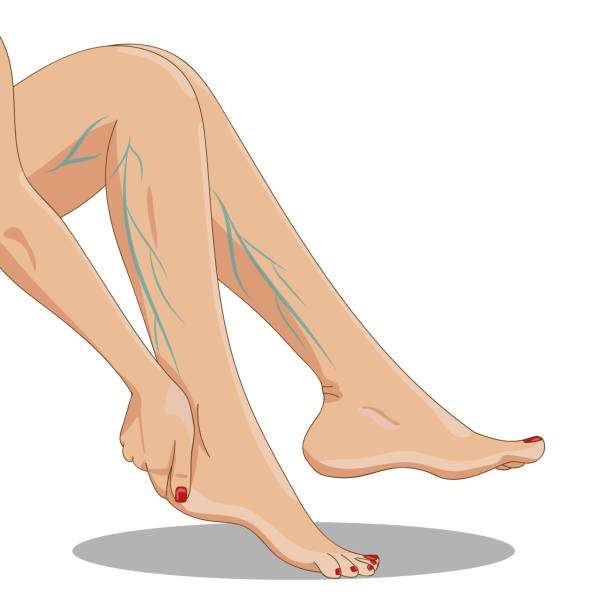
People who stand or sit for long periods often experience heavy, swollen legs and even mild signs of varicose veins. Many people may overlook a simple yet effective way to improve this condition—compression socks for women. In this article, we will explain in detail how compression socks for women improve blood circulation, the effects of different pressure levels, usage scenarios, and my personal experience to help you choose and use them correctly.
Working principle
Compression socks for women are special socks that promote blood flow through external pressure. Their core principle lies in “segmented pressure design,” meaning the cuff applies maximum pressure to the ankle, gradually decreasing as it moves up the calf and knee. This gradient pressure allows for:
Promoting venous return:
Venous blood needs to overcome gravity to return to the heart. Compression socks for women improve venous blood flow and reduce blood stagnation by applying pressure to the ankles and calves.
Reducing lower limb swelling
involves using external pressure to push body fluids back into the circulatory system, reducing tissue fluid buildup and thus alleviating edema and a feeling of heaviness.
Compression socks for women stabilize muscles and tissues.
supporting calf muscles during exercise or prolonged standing, reducing shock fatigue, and improving exercise efficiency.
Preventing blood clots
can reduce the probability of deep vein thrombosis in people who spend long hours on airplanes or are at risk of blood clots.
In other words, it’s not just a sock but also a “leg blood circulation aid.”
The effects of different pressure levels
Depending on the pressure applied, compression socks for women can have different effects.
Mild pressure (8–15 mmHg)
is suitable for daily commutes and mild swelling. It is comfortable to wear and can slightly improve blood circulation.
Moderate pressure (15–20 mmHg)
is suitable for people who stand or sit for long periods or those with mild varicose veins. It can significantly relieve heaviness in the calves and improve blood flow to the legs.
Medium to high pressure (20–30 mmHg)
is suitable for postpartum recovery, significant varicose veins, or medical use as advised by a doctor. It is most effective in improving blood circulation, but precise measurement is required for proper fitting.
I first tried compression socks for women; I chose the medium compression version. I stood all day at the trade show that day, and after work, my calves were no longer swollen and felt much lighter than before. That experience truly made me appreciate how compression socks for women help with blood circulation.
Scientific basis for improving blood circulation
Gradient pressure design
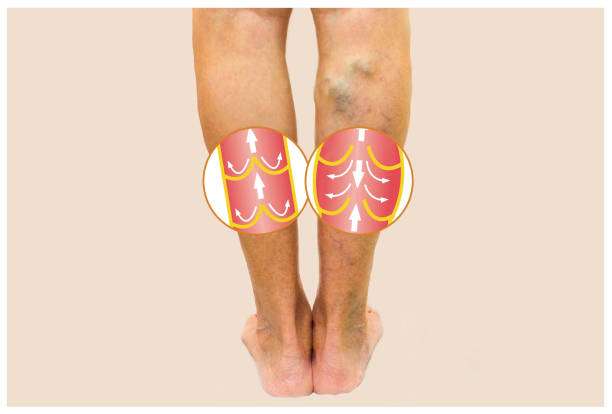
Compression socks for women create an upward force for blood flow by decreasing pressure from the ankle to the calf, which helps restore venous valve function and prevents blood backflow.
Compression
Socks for women can gently squeeze subcutaneous tissue to improve microcirculation and reduce local tissue fluid buildup.
Reducing muscle vibration
during exercise can affect blood circulation, provide support, and reduce resistance to blood return.
Scientific research shows that wearing compression socks for women for a long time can increase venous blood flow, reduce lower limb edema, and reduce fatigue, making it an effective auxiliary tool for improving blood circulation.
Compression socks for women: applicable scenarios
1. Office workers who sit for long periods of time
Sitting for 6–8 hours or more a day can cause blood to stagnate in the legs. Wearing light or moderate compression socks for women can promote circulation and relieve heaviness.
2. Working while standing for long periods of time
Moderate-pressure compression socks for women are suitable for people such as teachers, nurses, and service workers, as they can reduce leg soreness and improve work comfort.
3. Travel and long-haul flights
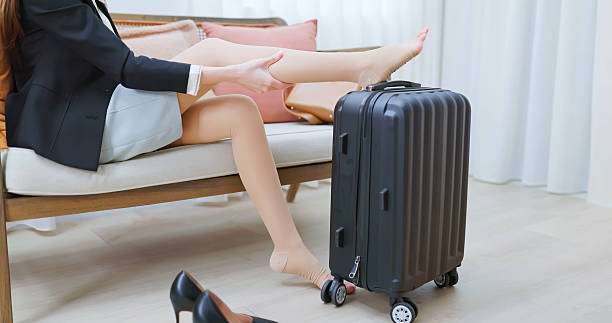
When traveling by plane or long-distance bus, blood flow to the veins in the legs slows down. Compression socks for women can significantly reduce swelling and the risk of deep vein thrombosis.
4. Exercise and Fitness
Compression socks for women during running, cycling, or strength training can help with blood circulation and muscle recovery, reducing post-workout soreness.
When I wear moderate-intensity compression socks for women during running training, my calf muscles recover significantly faster, and the soreness is gone the next day, which surprised me greatly.
5. Pregnancy and postpartum
Pregnant women are prone to leg swelling, and compression socks can relieve swelling and promote blood flow. They also help stabilize venous function during postpartum recovery.
How to choose correctly
1. Pressure level
Choose between mild, moderate, or medium-high pressure based on your needs. For ordinary daily wear, 15–20 mmHg is sufficient; for medical use, consult your doctor.
2. Dimensional Measurement
The correct size is key to maximizing the benefits of improved blood circulation.
circumference of the narrowest part of the ankle
circumference of the thickest part of the calf
Calf length
Improper sizing can lead to uneven pressure distribution and affect circulation performance.
3. Material Selection
Nylon + Spandex: Good elasticity and stable support
Cotton + functional fibers: breathable and comfortable
Sports compression socks for women: Excellent sweat-wicking properties, suitable for running or fitness.
4. Style Selection
Knee-length: For daily commuting and travel
Thigh-type or panty-like: Varicose veins, pregnancy, postpartum
Compression socks for women: usage and care tips
How to put it on: Slip it on from the toes and slowly pull it up to the ankle and calf, avoiding folds or wrinkles.
Wearing time: 4–8 hours is recommended for daily wear and can be extended for long-distance travel.
Washing and care: Hand wash in cold water; avoid high-temperature drying to prevent loosening and failure.
In my own experience, consistently wearing compression socks for women significantly improves blood circulation in the legs, reduces swelling in the calves, and greatly reduces fatigue.
Frequently Asked Questions (Q&A)
Are
Compression socks for women too tight and uncomfortable? They may feel slightly tight at first, but you’ll get used to them and feel supported and light.
Is it okay to wear it to bed?
It’s generally not recommended unless instructed by a doctor.
Do wearing compression socks for women completely replace exercise?
No, compression socks for women are a tool to help improve blood circulation; exercise and a healthy diet are still essential.
Conclusion:
Whether you’re sitting or standing for long periods, pregnant, exercising, or traveling, compression socks for women can effectively improve blood circulation and relieve leg fatigue and swelling. The correct pressure level, size, and wearing method are key to maximizing their effectiveness.
If you often feel heaviness in your legs or swelling in your calves, you might want to try a pair of suitable compression socks for women to restore lightness and vitality to your legs and improve your overall health.