
As fitness and exercise become an important part of modern women’s lives, many are starting to focus on how to protect their legs and reduce fatigue during exercise. Compression socks for women, as a product that combines functionality and comfort, are gaining increasing recognition. But can they really relieve exercise fatigue? This article will provide an in-depth analysis from multiple perspectives, including scientific principles, practical experience, purchasing guidelines, and usage suggestions.

What are compression socks for women?
Compression socks for women are designed to conform to the shape of the leg, using progressive pressure to help promote blood circulation. The pressure typically starts higher at the ankle and gradually decreases towards the calf. The main benefits of this design include
Promotes blood flow: Reduces blood pooling in the legs and reduces swelling.
Relieve muscle fatigue: Accelerate lactic acid metabolism
Provides muscle support: reduces muscle micro-vibrations during exercise.
I first tried compression socks during a morning run. At the beginning, my legs felt slightly tight, but as I continued running, the soreness in my leg muscles significantly decreased, making it much easier than running the same distance before. This comfort gave me a completely new appreciation for compression socks.
The scientific principles of compression stockings
1. Blood circulation and venous pressure
During exercise, leg muscles require more oxygen and nutrients, and metabolic waste needs to be eliminated quickly. Prolonged standing or running can increase venous pressure in the lower limbs, reducing the efficiency of blood return to the heart. Compression stockings promote venous blood flow through external pressure, helping blood return quickly and reducing leg fatigue.
I once wore compression socks on a long-haul flight. Compared to the soreness and swelling in my legs after long flights in the past, my legs felt much more relaxed this time, and I rested more comfortably at night.
2. Lactic acid buildup and muscle soreness
During exercise, lactic acid buildup in muscles is one of the main causes of soreness and fatigue. Compression socks, with their slight pressure, can increase blood flow and accelerate lactic acid metabolism, thus reducing muscle soreness. For runners or those who engage in high-intensity training, this means faster recovery after exercise.
3. Muscle support and vibration control
Running or jumping causes tiny vibrations in the muscles, which increase energy expenditure and accelerate fatigue. Compression socks reduce these vibrations by providing support to the muscles, making exercise more efficient and comfortable.

Which sports are suitable for women to wear compression socks?
Compression stockings have a wide range of applications, including:
running and marathon
running.
High-intensity interval training (HIIT)
involves squats, jumps, and sprints, and socks provide extra support to reduce muscle vibration.
Compression socks can help maintain blood flow and reduce fatigue when cycling or hiking for extended periods, which puts a lot of strain on the legs.
People who sit or
stand for long periods of time, such as office workers, flight attendants, or teachers, can also benefit from this treatment, as it can relieve leg soreness and swelling.
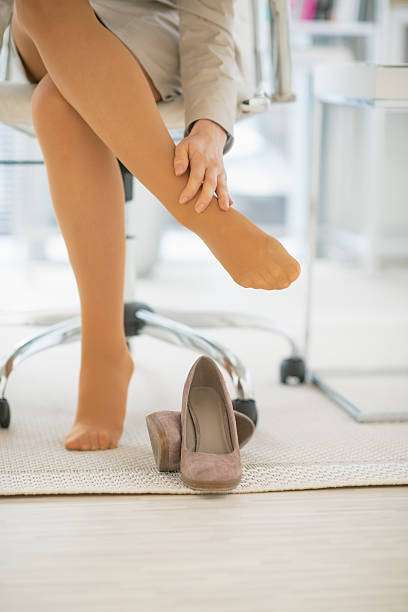
As an office worker, I occasionally wear compression socks when I have long meetings or work overtime. Even if I stand or walk all day, my legs don’t feel as heavy and swollen as before.
How to choose the right compression socks for women?
When choosing compression stockings, you can consider the following aspects:
1. Pressure level
Light compression (10-15 mmHg): Suitable for sedentary lifestyles and light exercise.
Moderate compression (15-20 mmHg): Suitable for running and fitness training.
High compression (20-30 mmHg): Suitable for varicose veins or professional sports recovery.
I’ve tried medium-compression calf socks, which are very comfortable for running and working out, while high-compression socks, although supportive, feel a bit tight at first.
2. Material selection for compression socks for women
Nylon and spandex blend: good elasticity and strong support
Cotton blend: Breathable and comfortable, suitable for everyday wear.
High-performance fibers: quick-drying, abrasion-resistant, and durable
I prefer nylon and spandex for my workouts, while I opt for cotton blends for the office or travel, as they offer better comfort.
3. compression socks for women Length Design
Calf style: Convenient for daily exercise, with moderate support.
Over-the-knee style: More suitable for people recovering from exercise, those who stand for long periods of time, or those with varicose veins.
Tips for wearing compression stockings
Wear before exercise: Put it on 10-15 minutes in advance to help warm up your legs.
Continue wearing after exercise: Wear for 30-60 minutes after exercise to accelerate blood return.
Keep socks clean and dry: Keep socks dry to avoid skin irritation.
Choose the right size: too tight or too loose will affect the results.
After long-distance running training, I wear compression socks and rest for half an hour. The next day, the soreness in my legs is significantly reduced, and the recovery speed is faster than before.
Common Misconceptions
Can compression socks for women replace exercise?
Compression socks can only assist with exercise and recovery; they cannot replace physical activity.
Is tighter the better?
Excessive pressure may obstruct blood flow, which is actually detrimental.
Is it okay to wear it all day?
It is recommended to wear it according to your exercise or work needs to avoid prolonged pressure on the skin.
Are all brands equally effective?
The materials and pressure designs differ, so choosing a reputable brand is more reliable.
Frequently Asked Questions (FAQ)
Q1: Do compression socks for women really relieve exercise fatigue?
A1: According to scientific research and user experience, compression socks can reduce leg soreness and swelling after exercise by promoting blood circulation and lactic acid metabolism.
Q2: How to choose compression stockings with different pressure levels?
A2: Mild is suitable for sedentary lifestyles or light exercise; moderate is suitable for running and fitness; high is suitable for varicose veins or exercise recovery. It is recommended to start with moderate for beginners.
Q3: Will wearing compression socks for women affect blood circulation?
A3: As long as you choose the right pressure level and size, compression stockings will not affect circulation; on the contrary, they will improve blood flow to the legs.
Q4: Should I wear it during and after exercise?
A4: Wearing it during exercise provides support and reduces vibration, while wearing it after exercise helps with recovery. It can also be used moderately for daily sitting or standing.
Q5: Are compression socks for women suitable for everyday wear?
A5: Absolutely, especially when standing, sitting, traveling, or flying for long periods, as they can relieve leg fatigue and swelling.
Summarize
Compression socks for women are a practical item that balances athletic performance with health protection. Through scientifically designed compression, they can:
Relieve leg soreness after exercise
Promotes blood circulation and reduces swelling
Provides muscle support and improves exercise comfort.
Whether you’re running, working out, or standing or sitting for long periods, compression socks can provide noticeable relief. Choosing the right compression level, material, and length, along with wearing them correctly, will make your legs feel lighter and more comfortable. If you want your legs to feel light and comfortable during exercise and in daily life, choose a pair of high-quality compression socks for women now!